Huatulco, a coastal paradise in Oaxaca, Mexico, is not only renowned for its stunning beaches and lush landscapes but also for its commitment to preserving its unique wildlife. One of the most remarkable ways to experience this commitment firsthand is through the Turtle and Crocodile Eco Tour. This tour offers a profound glimpse into the symbiotic relationship between local communities and the wildlife that inhabits this region. In this article, I will share my unforgettable experience on the Huatulco Turtle and Crocodile Eco Tour, highlighting the importance of ecotourism in protecting wildlife and supporting local communities.
The Huatulco Turtle and Crocodile Eco Tour: An Overview
The Huatulco Turtle and Crocodile Eco Tour is an exceptional journey that takes you through some of the most beautiful and ecologically significant areas of Huatulco. The tour typically begins early in the morning, as this is the best time to observe wildlife in their natural habitat. Our group was led by an experienced local guide, whose passion for conservation was evident from the very start.
The tour includes visits to the Ventanilla Lagoon, the Palmarito Turtle Camp, and the Mazunte Turtle Center. Each of these locations plays a crucial role in the conservation of endangered species and provides visitors with an opportunity to learn about the efforts being made to protect them.


Ventanilla Lagoon: A Sanctuary for Crocodiles and Birds
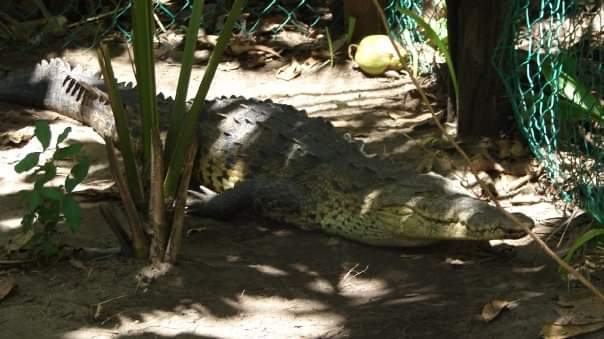
Our first stop was the Ventanilla Lagoon, a serene and biodiverse area that is home to a variety of species, including crocodiles, iguanas, and numerous bird species. As we boarded a small boat to explore the lagoon, our guide explained the importance of this wetland ecosystem and the efforts being made to preserve it.
The sight of crocodiles basking in the sun and birds gracefully gliding over the water was mesmerizing. Our guide shared fascinating insights into the behavior and biology of these creatures, emphasizing the critical role they play in maintaining the ecological balance of the lagoon. The local community of Ventanilla has taken the initiative to protect this area, ensuring that it remains a sanctuary for wildlife while also providing educational opportunities for visitors.


Palmarito Turtle Camp: Guardians of the Sea Turtles
Next, we visited the Palmarito Turtle Camp, a haven for sea turtles. This camp is dedicated to the protection and conservation of sea turtles, particularly the endangered Olive Ridley turtle. The camp’s efforts include monitoring nesting sites, protecting eggs from predators, and ensuring the safe release of hatchlings into the ocean.
Witnessing the dedication of the camp’s volunteers was truly inspiring. They work tirelessly to safeguard the future of these magnificent creatures. During our visit, we had the privilege of participating in a turtle release. Holding a tiny hatchling in my hands and watching it make its way to the ocean was a profoundly moving experience. It was a powerful reminder of the impact that conservation efforts can have on preserving endangered species.
Mazunte Turtle Center: Education and Conservation
Our final stop was the Mazunte Turtle Center, an educational and conservation facility that focuses on research, rehabilitation, and public awareness. The center provides a wealth of information about the various species of sea turtles found in the region and the challenges they face.
The Mazunte Turtle Center also rehabilitates injured turtles and conducts research to better understand their biology and behavior. The center’s exhibits are informative and engaging, making it an excellent place for visitors of all ages to learn about the importance of marine conservation.


The Importance of Ecotourism in Wildlife Conservation
The Huatulco Turtle and Crocodile Eco Tour is more than just a sightseeing adventure; it is a testament to the power of ecotourism in wildlife conservation. By participating in this tour, visitors contribute directly to the protection and preservation of endangered species and their habitats. Here are some key ways in which ecotourism supports conservation efforts:
1. Funding Conservation Initiatives
Ecotourism generates essential funding for conservation projects. The fees collected from tours are often reinvested into local conservation efforts, providing the resources needed to protect endangered species and their habitats. In Huatulco, the revenue from eco tours supports initiatives like the Palmarito Turtle Camp and the Ventanilla Lagoon conservation project.
2. Raising Awareness
Ecotourism plays a crucial role in raising awareness about the importance of wildlife conservation. Tours like the Huatulco Turtle and Crocodile Eco Tour educate visitors about the challenges faced by endangered species and the efforts being made to protect them. This increased awareness can lead to greater support for conservation initiatives and a more environmentally conscious public.
3. Supporting Local Communities
Ecotourism creates economic opportunities for local communities, providing them with an incentive to protect their natural resources. In Huatulco, the local community of Ventanilla has taken on the responsibility of conserving the lagoon, benefiting both the wildlife and the residents. By supporting ecotourism, visitors contribute to the livelihoods of these communities, fostering a sustainable relationship between humans and nature.
4. Promoting Sustainable Practices
Ecotourism encourages sustainable practices that minimize the impact on the environment. Tour operators in Huatulco adhere to strict guidelines to ensure that their activities do not disturb the wildlife or damage their habitats. This commitment to sustainability sets a positive example for visitors and promotes responsible travel.
A Symbiotic Relationship: Wildlife and Local Communities
The Huatulco Turtle and Crocodile Eco Tour is a shining example of the symbiotic relationship that can exist between wildlife and local communities. This tour demonstrates how conservation efforts can benefit both the environment and the people who live near these natural treasures. Here are some ways in which this symbiosis is achieved:
1. Community Involvement
The success of conservation projects in Huatulco is largely due to the involvement of local communities. Residents of Ventanilla, for example, have taken an active role in protecting the lagoon and its inhabitants. Their knowledge of the area and dedication to conservation are invaluable assets in preserving the ecosystem.
2. Education and Empowerment
Conservation initiatives in Huatulco prioritize education and empowerment. By educating local communities about the importance of wildlife conservation, these projects foster a sense of ownership and responsibility. This empowerment encourages residents to take an active role in protecting their natural resources.
3. Economic Benefits
Ecotourism provides economic benefits to local communities, creating jobs and supporting small businesses. In Huatulco, eco tours generate income for tour guides, boat operators, and local artisans. This economic incentive encourages communities to continue their conservation efforts, knowing that their livelihoods are directly linked to the health of the ecosystem.
4. Cultural Preservation
Conservation projects in Huatulco also contribute to the preservation of local culture and traditions. Many of the conservation practices employed by local communities are based on traditional knowledge and sustainable practices passed down through generations. By supporting these initiatives, ecotourism helps to preserve the cultural heritage of the region.


My experience on the Huatulco Turtle and Crocodile Eco Tour was nothing short of transformative. It provided a unique opportunity to witness the beauty and diversity of Huatulco’s wildlife while learning about the critical conservation efforts that protect these species. This tour is a testament to the power of ecotourism in promoting wildlife conservation and supporting local communities.
The Huatulco Turtle and Crocodile Eco Tour exemplifies how a symbiotic relationship between wildlife and local communities can be achieved. By participating in this tour, visitors contribute to the preservation of endangered species, the protection of vital ecosystems, and the economic well-being of local residents. It is a powerful reminder that when humans and nature work together, both can thrive.
If you are planning a trip to Huatulco, I highly recommend embarking on the Turtle and Crocodile Eco Tour. Not only will you have an unforgettable experience, but you will also be playing a part in the vital work of conservation. Together, we can ensure that the natural wonders of Huatulco are preserved for generations to come.